1926
— 2026.
2026 marks the 100th anniversary of the national commemoration of Black history in the United States.
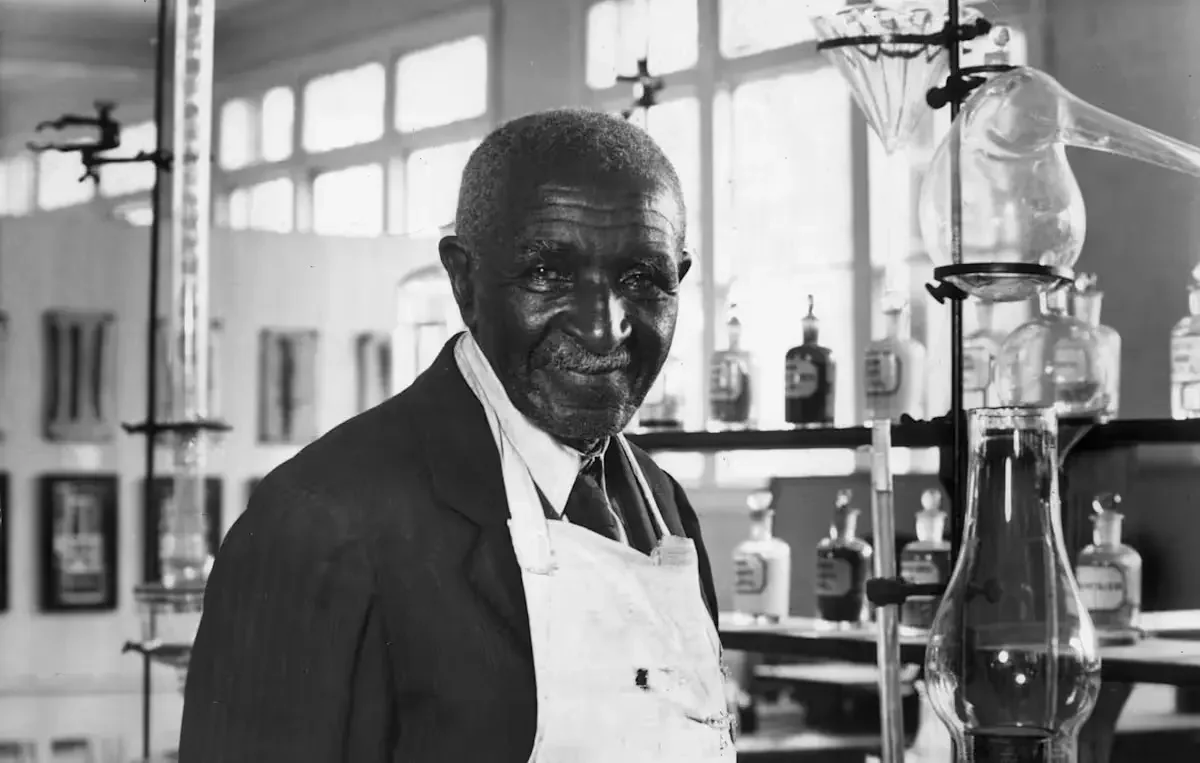
Dr. Carter
G. Woodson.
As the son of formerly enslaved parents, Woodson understood that denying a people of their history was a way to deny them of their humanity.
He holds the distinction of being the second African American to receive a Ph.D. from Harvard University, following W.E.B. Du Bois.
"Those who have no record of what their forebears have accomplished lose the inspiration which comes from the teaching of biography and history."
— Dr. Carter G. Woodson, 1926
The Timeline of Recognition.
Tracing the evolution from a singular week to a global cultural observance.
Woodson and the ASNLH FOUNDED TO PROMOTE ACHIEVEMENTS BY BLACK AMERICANS.
The first Negro History Week is launched during the second week of February.
Woodson chose February to coincide with the birthdays of Abraham Lincoln and Frederick Douglass.
President Gerald Ford officially designated February as Black History Month.
The 100-year anniversary of federal recognition and national commemoration.
"If a race has no history, it has no worthwhile tradition... it stands in danger of being exterminated."
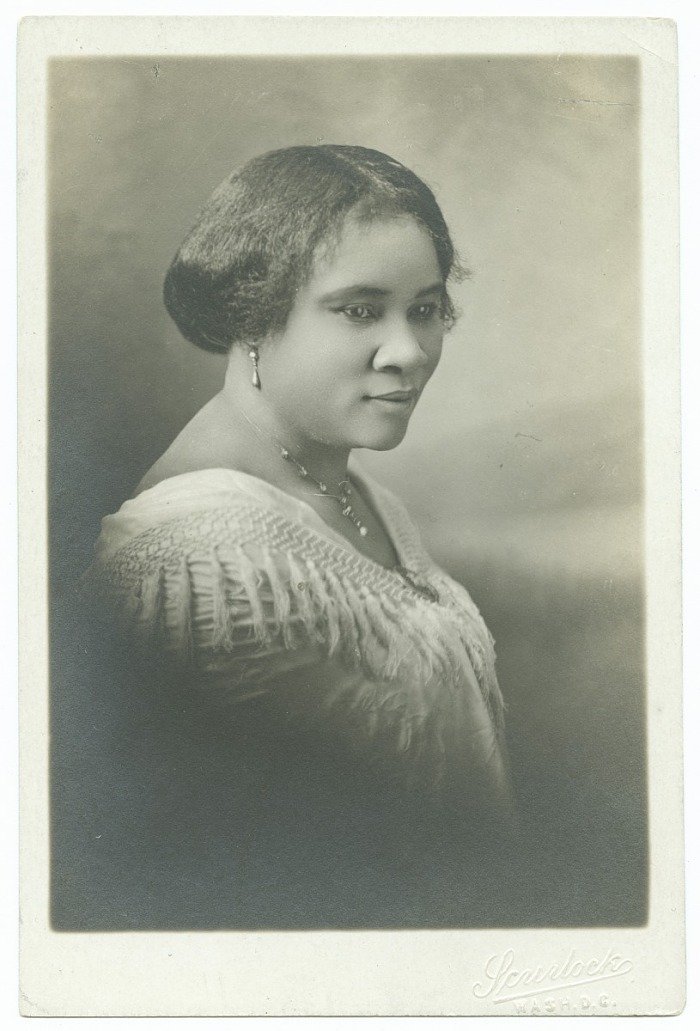
Madam C.J.
Walker.
A pioneer whose manufacturing empire in Indianapolis provided economic independence for thousands of African Americans, embodying the "Progress and Persistence" that Woodson sought to document.
A Record of
Achievement.
Click an entry to view the full documentary record.
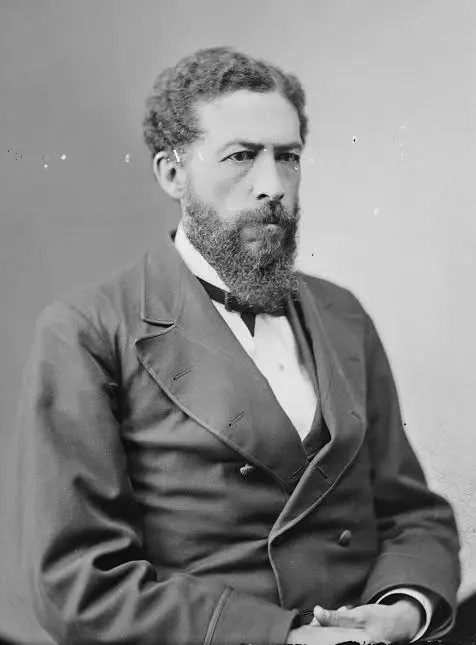
John Mercer Langston
Law
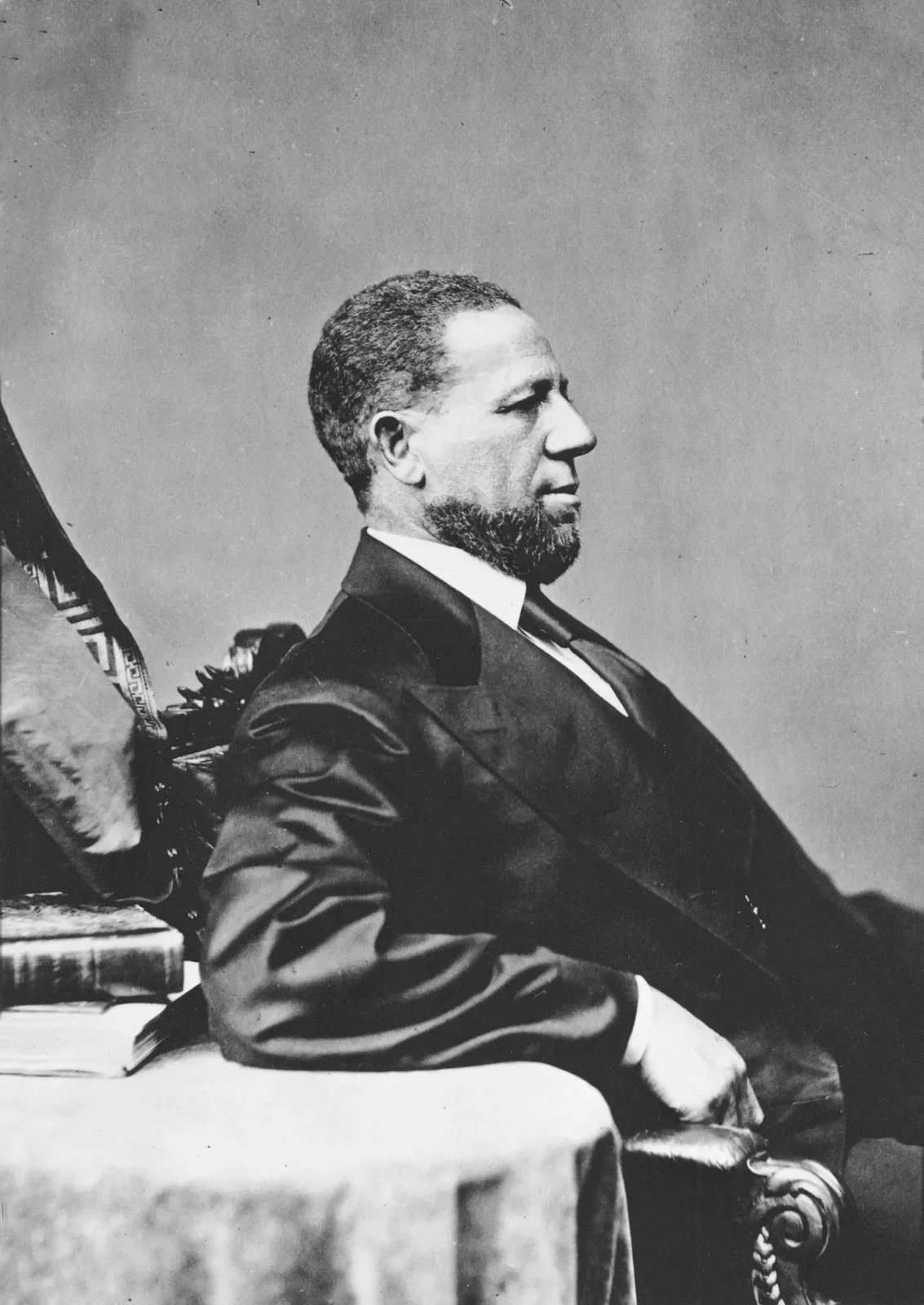
Hiram Rhodes Revels
Politics
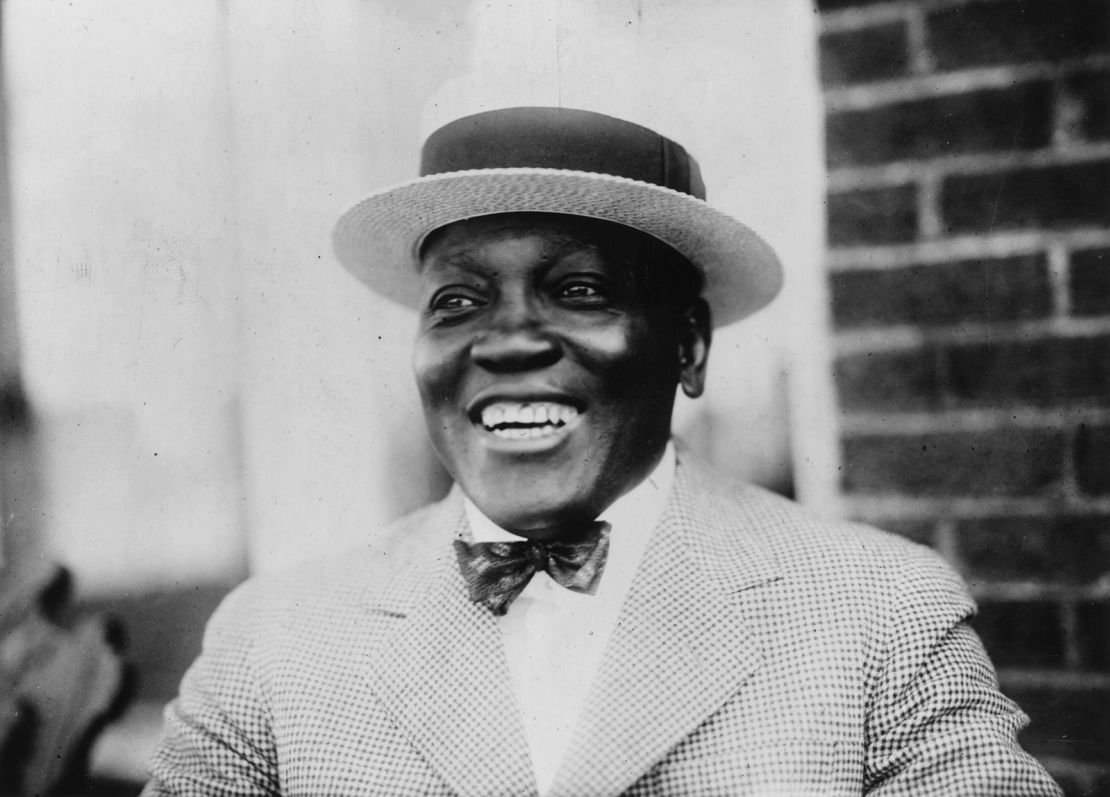
Jack Johnson
Sports
NAACP Founded
Civil Rights
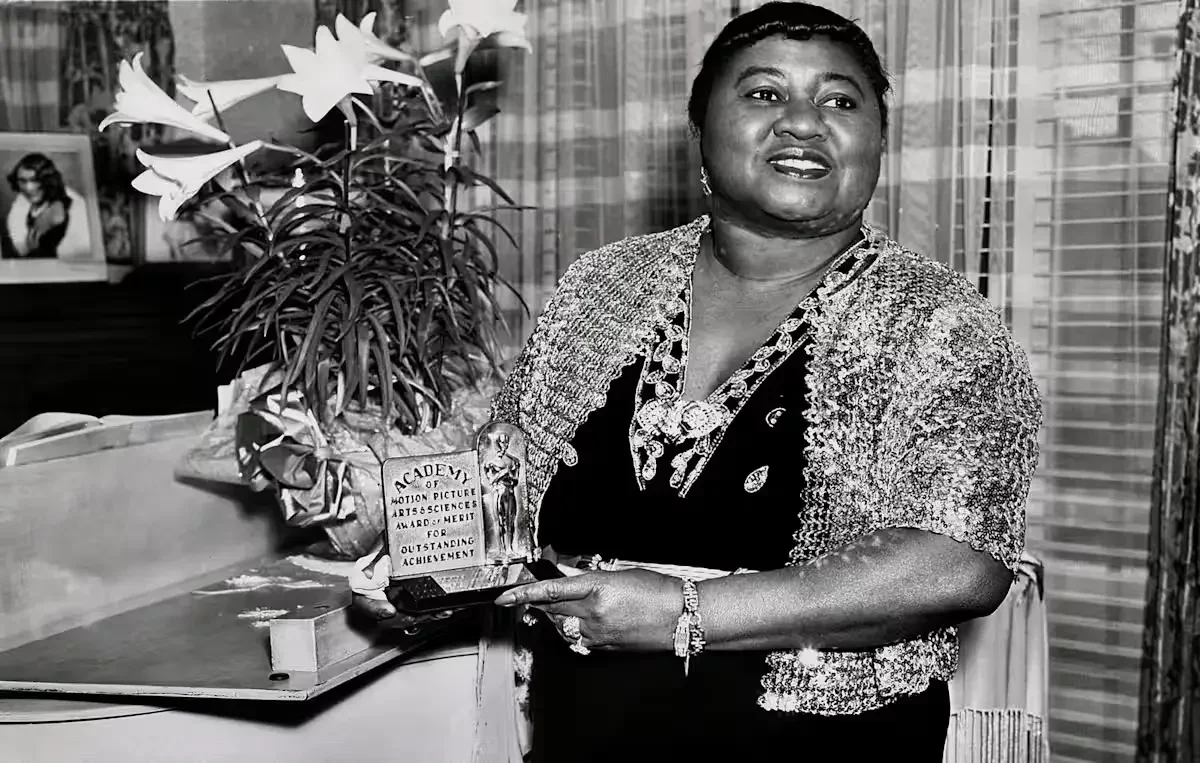
Hattie McDaniel
Arts
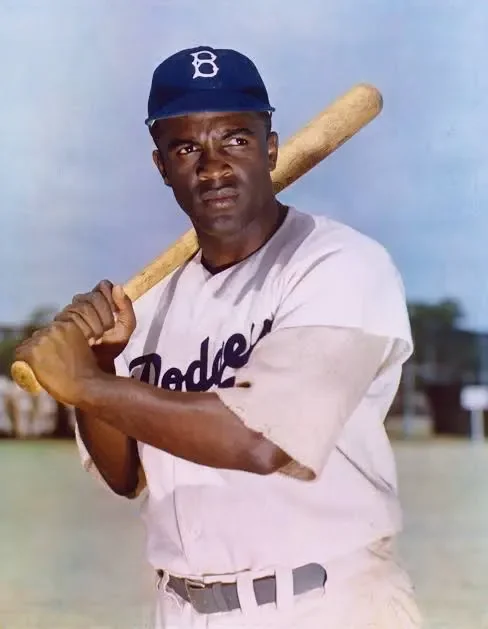
Jackie Robinson
Sports
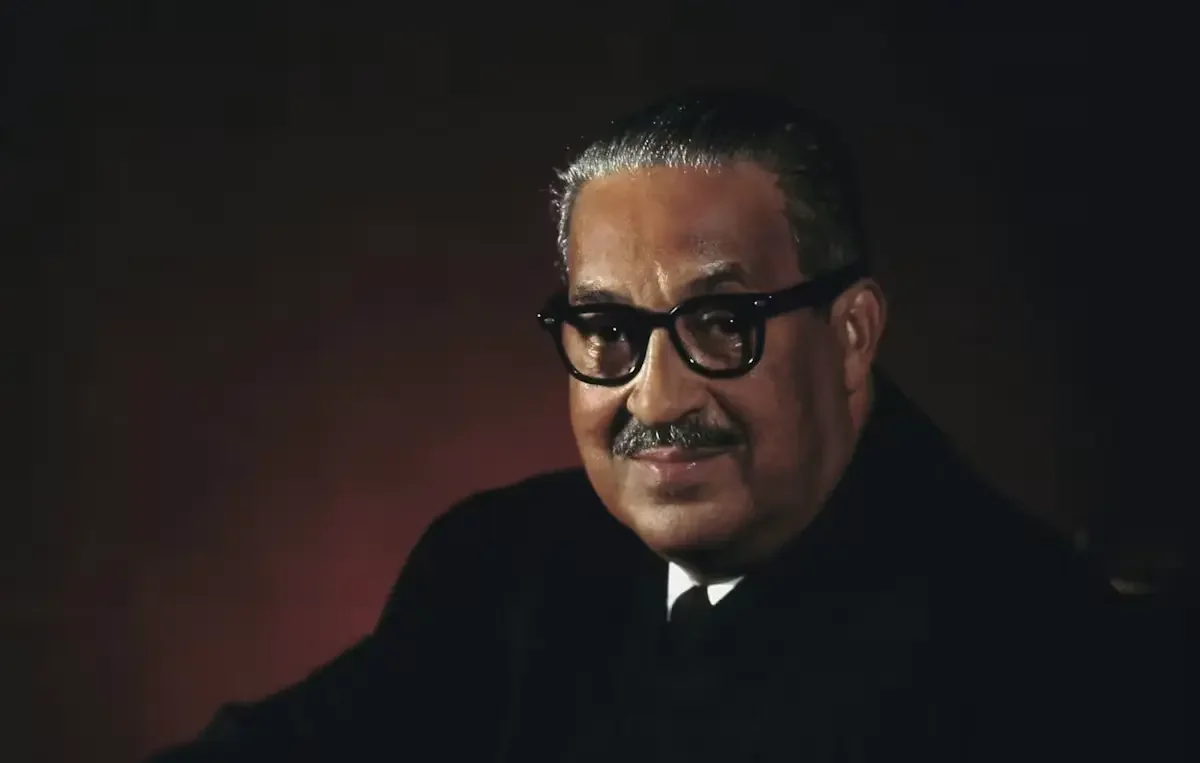
Thurgood Marshall
Judiciary
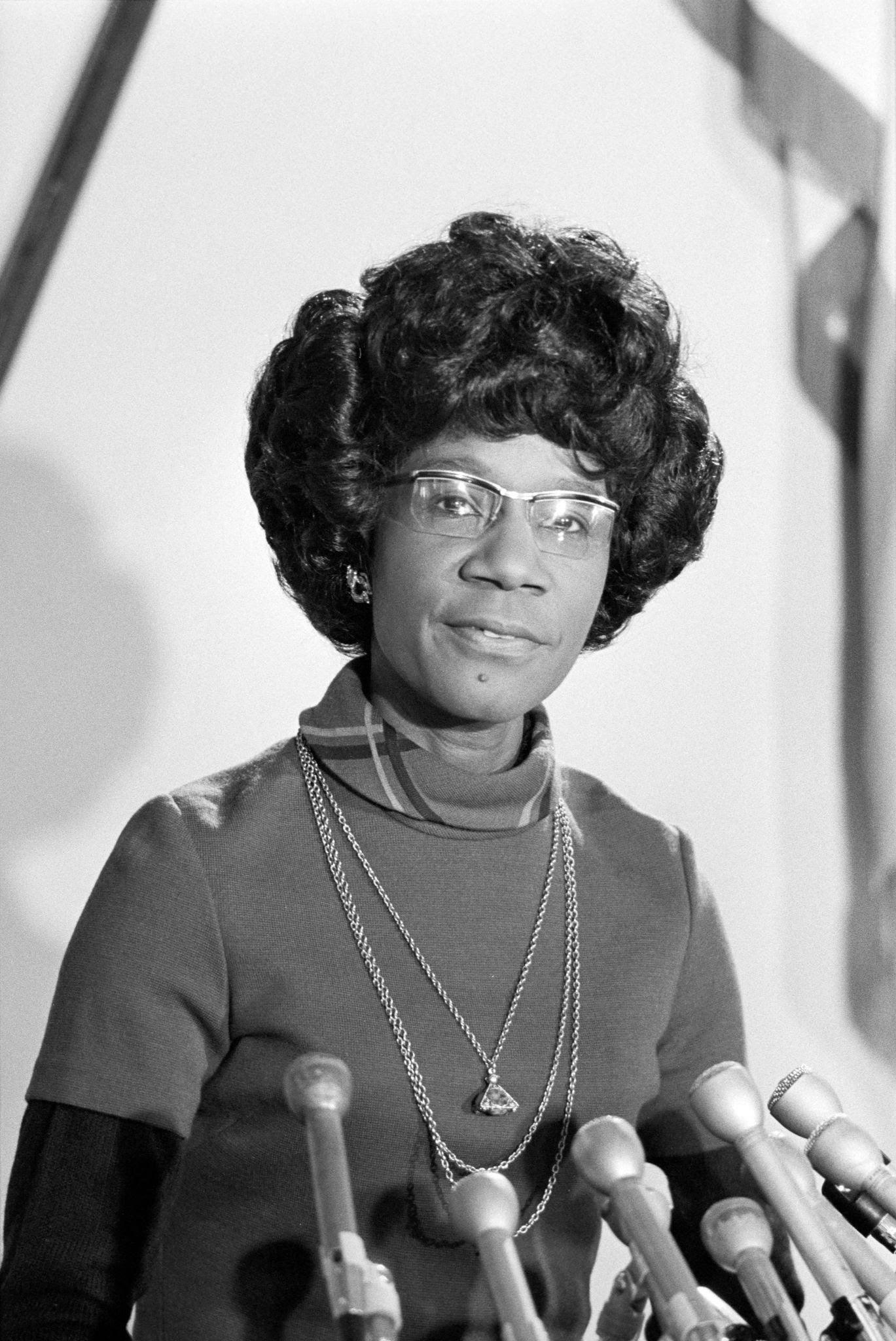
Shirley Chisholm
Politics

Robert Johnson
Media
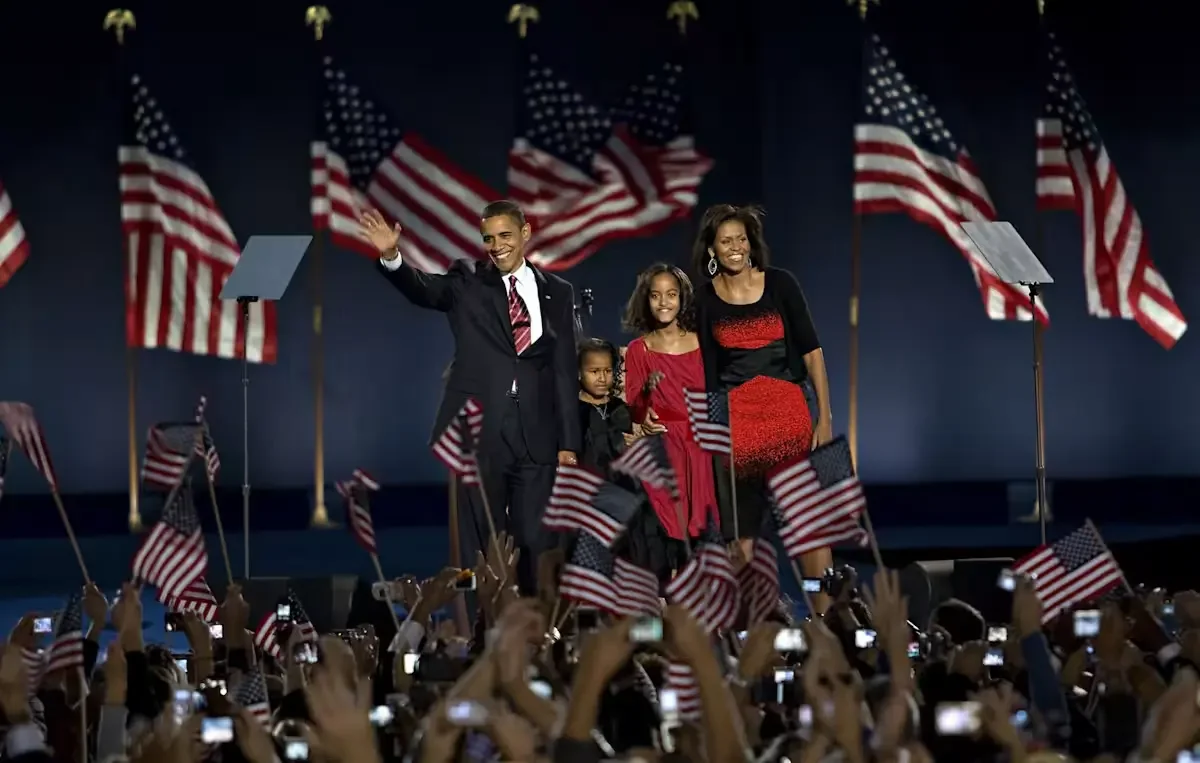
Barack Obama
Leadership
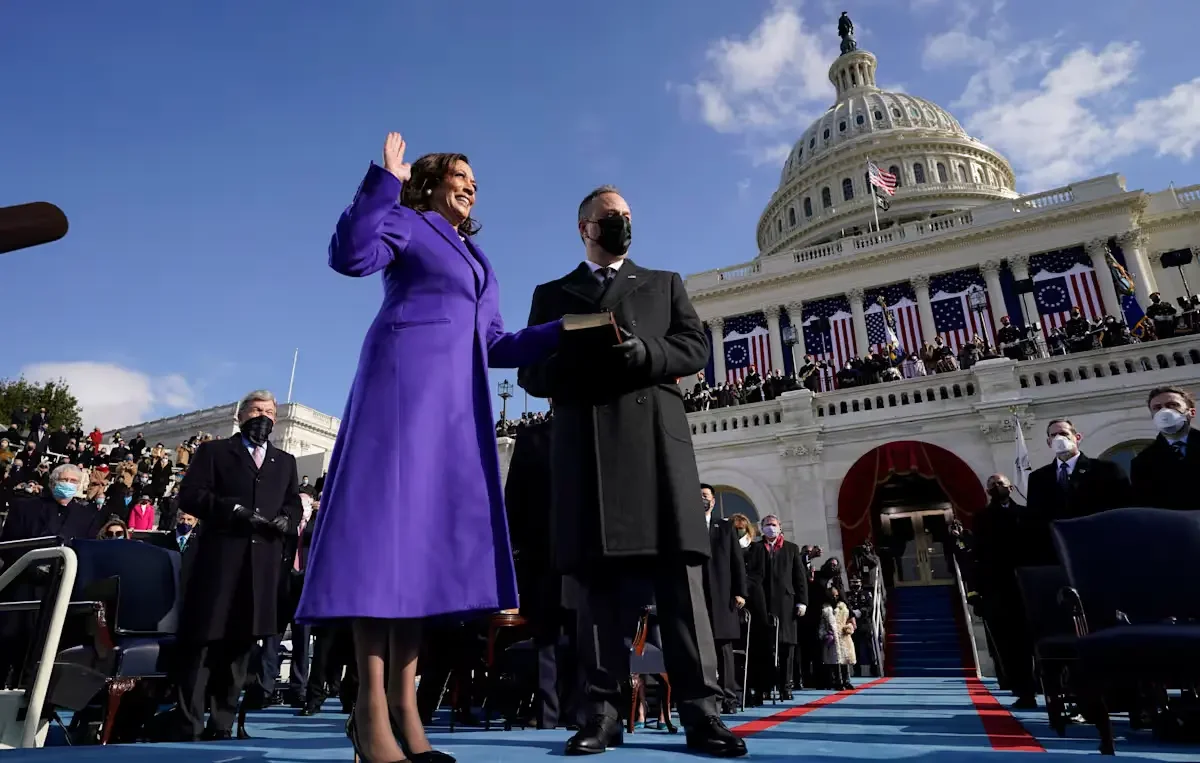
Kamala Harris
Leadership
THE NEXT
100 YEARS.
The same spirit of entrepreneurship that defined the last century lives in our community today. Support the legacy by connecting with Indiana's Black-owned excellence.